

Alion Science and Technology in Chicago, IL received a $9.8 million cost-plus-fixed fee contract for research and development activities associated with the development of Integrated Power Systems Advanced Modules and Conceptual Engineering/Ship Implementation. The Contractor will develop shipboard electrical system architectures and characterize Next Generation Integrated Power System components. Work will be performed in Annapolis, MD and is expected to be completed by January 2013. Contract funds in the amount of $162,000 will expire at the end of the current fiscal year. This contract was competitively procured via Broad Agency Announcement; 68 white papers were received, 19 proposals were requested, and 18 awards have been made. The Naval Sea Systems Command in Washington, DC is the contracting activity (N00024-08-C-4201).
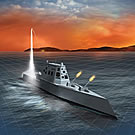
That’s a lot of activity. Why so much? Part of the reason is the strong trend, in the US Navy and in the rest of the world, toward all-electric ships that replace all steam powered, hydraulically powered, or pneumatically/mechanically powered components with electrically-driven components. These components, and the propulsion drive, would be powered as a single pool by a single set of generators linked to the ship’s turbines. The result would be a ship that is quieter, easier to maintain (with additional help from the F-35 program’s ‘intelligent wiring’ advances), has more internal space available, and uses less fuel. The cruise ship industry has led the transition toward all electric ships, the new T-AKE cargo ships employ a modified version of those advances, and the DDG-1000 Zumwalt Class destroyers/ light cruisers would be the first American ship with all-electric drive and fully integrated power management. Meanwhile, research into tougher electronics that can take advantage of this power continues, as does more overtly offensive research around electro-magnetic weapons like rail guns. See the NDIA’s “All-Electric Ship Could Begin to Take Shape By 2012” for additional background.