

RAND Corporation’s Project Air Force undertakes a number of studies as part of its mandate. A recent example looks at US airlift capabilities and their fit with the needs of counter-insurgency operations. The answers could matter a great deal to programs like the Joint Cargo Aircraft, the GPS-guided JPADS paradrop system, et. al., and to tactical options like the British Lt. Col. Labouchere’s successful “Bedouin approach” in southern Iraq. Select quotes from RAND’s “Airlift Capabilities for Future U.S. Counterinsurgency Operations” [RAND release | Report] include:
“…The positive influence of airlift on counterinsurgent morale and confidence is also well documented and strategically important… Very quickly, a conventional theater airlift fleet can run out of “tails” to support such dispersed operations …a counterinsurgent airlift effort likely will include a greater proportion of small-scale, quick-response military missions overshadowed by the possibility of encountering serious air defense threats… The U.S. armed forces’ experience with the C-7 Caribou… provides an instructive precedent… the C-7 possessed a unique combination of moderate speed, economy of operation, and the ability to take off and land on rough fields that …proved to be enormously valuable in Vietnam… there may be a need to refill the C-7’s operational niche. However, this need should be understood as a shortfall in capability… two general program goals that DoD should emphasize…
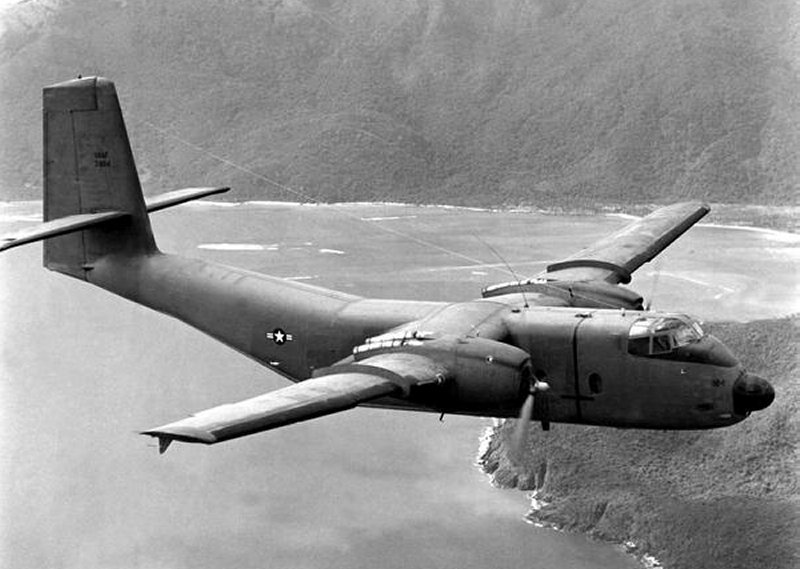
(click to view full)
First, the aircraft designs chosen should emphasize capability for short takeoffs and landings from rough fields or vertical takeoffs and landings and high survivability over other design goals, such as cargo capacity and economy of operation… Second, the purchase of specialized systems should be minimized. Ideally, an existing aircraft design, suitably modified, would be able to provide these capabilities…
The bad news is that the United States cannot go on handling the COIN(COunter INsurgency) airlift mission much longer in the way it is without substantial reinvestment and perhaps some realignment of its airlift program… Given the current straits of the defense budget, the prospect of adding recapitalizations of the theater and battlefield airlift fleets to the mix of competing programs is daunting indeed…”
“The United States provides counterinsurgency assistance to friendly nations through its Foreign Internal Defense program, but the core airlifters used by the U.S., including the C-17 Globemaster III and the C-130 Hercules, are too complex and expensive to meet the needs of many smaller or less-wealthy countries. The report recommends that the U.S. Air Force consider acquiring some substantially smaller and less technologically sophisticated transports that can be more easily used by such nations.
Having such aircraft in its own inventory would enhance the Air Force’s counterinsurgency and conventional conflict capabilities while also improving its ongoing efforts to help allies develop useful and sustainable airlift forces…”
Additional Readings & Sources:
* RAND Corporation – July 31/07 release | Report page | Full report [PDF format, 514k]
* Australian Defence Association (January 2002) – AIR 5190 – The Perennial Lightweight Project – analysis of an Australian defence acquisition. Covers Australia’s long-delayed need to replace its own DHC-4 Caribou aircraft.
* The C-7A Caribou Association. A site by and for the veterans who flew these aircraft. Lots of information, history, and photos.
* Prof. J.R.T. Wood – Fire Force: Helicopter Warfare in Rhodesia: 1962-1980, part 1. The US experience in Vietnam was not the first time helicopters played a critical counter-insurgency role. The “Malaysian emergency,” which may be the SAS’ most successful campaign ever, was the pioneer. Half-way across the world, however, the Rhodesians developed a doctrine for using helicopters in counter-insurgency campaigns that represented a real advance over existing concepts. Note the bits concerning helicopter noise and warning radius, however – an under-appreciated problem that continues to this day.