

(click to view full)
EADS recently put out a release informing all of its Airbus A400M military transport customers that deliveries of the aircraft are now expected to start 6 months later than initially planned, with a risk of a further slippage of up to a half year. This pushes delivery of the first production aircraft back from 2009 to 2010 or early 2011, and delays all anticipated orders by up to 12 months. Current orders on the books include Germany (60), France (50), Spain (27), Britain (25), Turkey (10), South Africa (8), Belgium (7), Malaysia (4), Chile (3), and Luxembourg (1).
Concern was recently expressed in Britain about A400M schedule slippage and its effect on their airlift capabilities, and countries like Norway have chosen to buy smaller C-130J Hercules aircraft right now rather than wait to replace an aging fleet. The schedule slippage could affect order decisions by uncommitted countries. It has already contributed to Britain’s purchase of a 6th C-17, and may add urgency to NATO’s multinational C-17 pool initiative.
(click to view full)
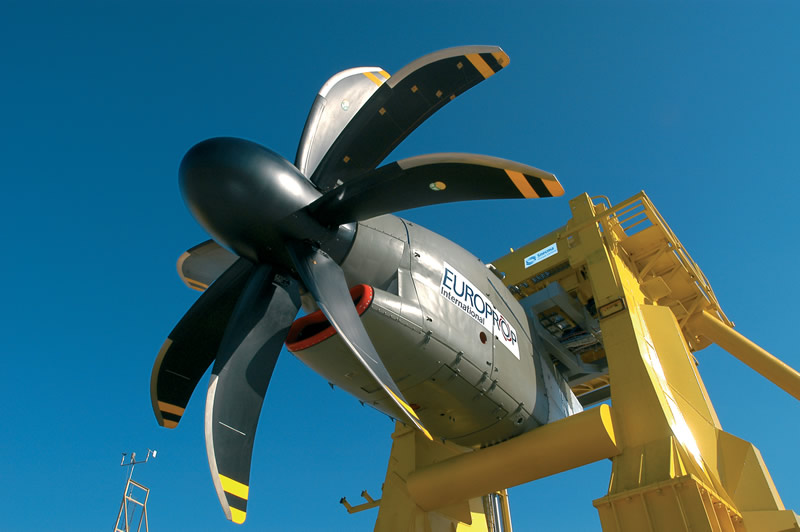
Key contributing factors in the A400M’s schedule slippage include slower than expected development of the plane’s 10,000 shp TP400-D6 turboprop engines from the EuroProp International consortium (Rolls-Royce, Snecma Moteurs, MTU Aero Engines and Industria deTurbopropulsores, plus Ratier-Figeac’s FH386 propellers), schedule overruns in systems development, and “a flight test program that differs significantly from that of commercial Airbus aircraft” [implied: and for which Airbus was no fully prepared]. The first test A400M is currently in production on the new final assembly line in Seville, Spain and is expected to make its first flight in summer 2008. Milestones reached to date include inauguration of the Aircraft Test Facility, and presentation of a fully functional A400M Systems Simulator demonstration at the end of July 2007.
UPDATE: EADS reports a EUR 1.2 – 1.4 billion charge to earnings (up to $2 billion) as a result of the delay. In October 2008, first flight was later back to early 2009, as a contract dispute erupted between Airbus and its customers.