

(click to view full)
Datalinks are an under-rated but critical technology set for any modern military. In simple terms, a datalink provides virtual circuit and datagram services that guarantee reliable, simultaneous, multi- channel transmissions. They can include voice, data, imagery, and video, and are generally encrypted for obvious reasons. These services may allow a soldier with a V-RAMBO wrist device to get streaming video from a UAV, or a strike aircraft to receive target information directly from troops on the ground via the ROVER system. Weapons with 2-way datalinks can be re-targeted in flight. Advanced uses of datalinks even include implementations like NATO’s Link 16 standard, which allow targets identified by one radar or aircraft to appear on others’ displays.
The Indian Air Force recently put out a contract for datalink development. In the ODL(Operational Data Link) pilot project, the Air Force plans to network selected aircraft and ground stations by 2012, as a first step and training opportunity. Over the next 10 years, they plan to equip their fighter fleets, transport aircraft, helicopters, AWACS and maritime surveillance aircraft, UAVs, and key radars…
The long-term potential for this contract is significant, though technology transfer requirements shrink the total effort’s long term value to any foreign partners. Even so, this could become a very significant contract for any weapons manufacturer. Deep knowledge of India’s datalink structure could give that manufacturer’s weapons an advantage in future competitions, especially if compatibility becomes a built-in, zero-cost feature of their upgrades and future weapons.
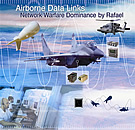
RAFAEL already builds airborne datalinks, and is a globally competitive designer and producer of weapons. India already uses their Python, Derby, and Barak missiles, among others. Thinking quickly, RAFAEL made India an offer: they would do it for free. Other bids reportedly included Israel’s IAI at $4.2 million, and Lockheed Martin at $8 million.
Defense News reports that some bureaucrats favored the Rafael offer in this lowest-bidder competition, but in the end, India refused. RAFAEL’s offer was disqualified because there was no value consideration, which meant that IAI’s bid became the lowest. A bid of even $1 might have stepped around that technical rule, but there was also some uneasiness concerning the ethical appearance of a free or nearly-free offer.
The offer certainly made sense from RAFAEL’s point of view, but an offer that’s too good creates problems of its own. Perhaps, in retrospect, the best option would have been a $1 million bid, or a bundling deal with an existing weapon purchase.
It doesn’t matter now, because India’s decision is made, leaving these events as an interesting lesson for industry vendors.